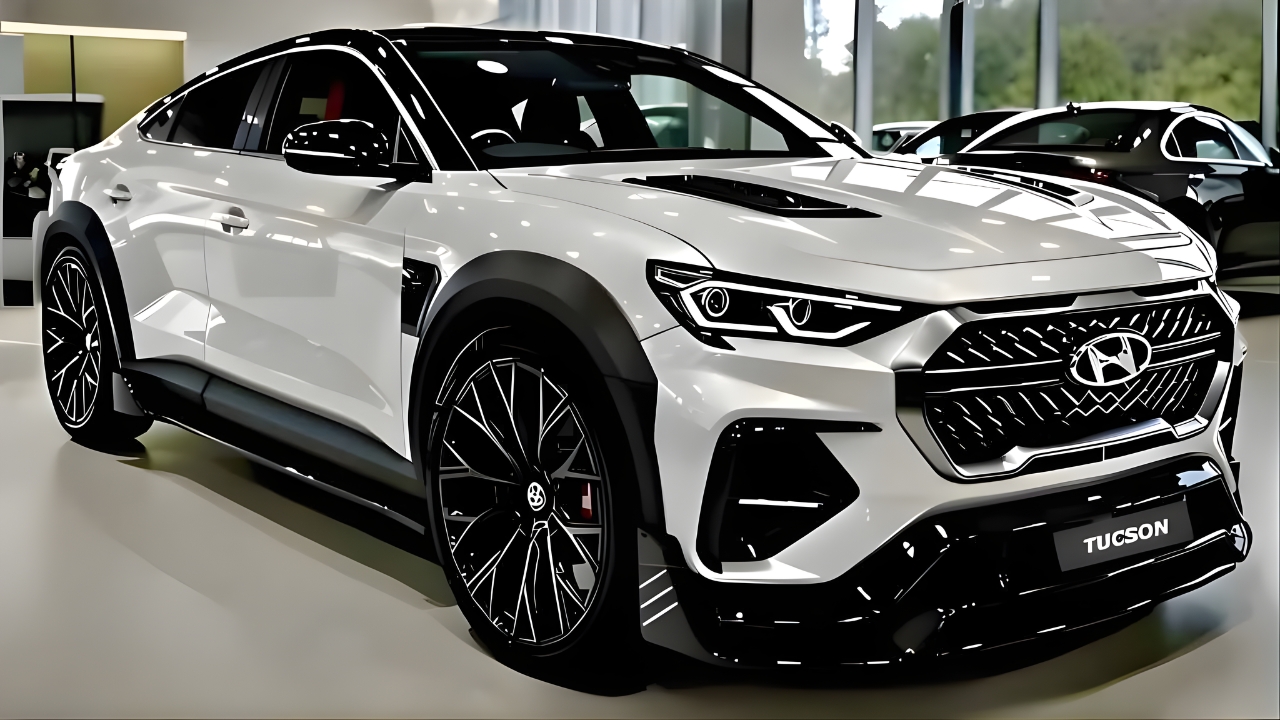
2026 Hyundai Tucson Debuts: The compact SUV segment continues to evolve rapidly, and the 2026 Hyundai Tucson arrives at a time when drivers expect more than just practicality. They want bold styling, smarter technology, and meaningful efficiency improvements. With its latest redesign, the Tucson pushes forward with a sharper exterior presence and a refined hybrid system that promises stronger performance and improved fuel economy.
Hyundai has steadily built the Tucson into one of its best-selling global models, and this newest version reflects a confident step into the future. The 2026 model blends visual sophistication with real-world functionality, offering a compelling package for families, commuters, and tech-focused drivers alike.
A More Refined and Modern Exterior
At first glance, the 2026 Hyundai Tucson makes a strong impression. The front fascia has been reimagined with a cleaner interpretation of Hyundai’s signature parametric grille. The integrated LED daytime running lights now appear more seamlessly blended into the grille pattern, giving the SUV a futuristic yet mature look.
The headlights are slimmer and more precise, while subtle reshaping of the hood and front bumper enhances aerodynamic efficiency. Along the sides, sculpted body lines remain a defining trait, but they appear smoother and less angular than before, adding a premium touch. Newly designed alloy wheels contribute to the refreshed stance, with options that range from practical to sport-inspired.
At the rear, updated LED taillights feature a more connected lighting signature. A redesigned bumper and slightly refined tailgate detailing give the Tucson a broader, planted appearance. Overall, the exterior redesign strikes a balance between boldness and sophistication, ensuring it stands out in crowded parking lots without appearing overly aggressive.
Upgraded Interior Comfort and Technology
Inside, the 2026 Hyundai Tucson introduces a cleaner dashboard layout focused on simplicity and digital integration. The new panoramic curved display combines the digital instrument cluster and infotainment screen into a single flowing unit, improving visibility and creating a high-tech atmosphere.
Physical buttons have been reduced in favor of touch-sensitive controls, though Hyundai has maintained user-friendly functionality for essential features like climate settings. The cabin materials feel more upscale, with soft-touch surfaces, subtle metallic accents, and improved seat upholstery options that enhance comfort on longer drives.
Passenger space remains one of Tucson’s strong suits. Both front and rear occupants benefit from generous legroom and headroom, making it suitable for families or road trips. Cargo capacity continues to impress within the compact SUV category, offering flexible storage solutions with fold-flat rear seats.
Connectivity also receives an upgrade. Wireless Apple CarPlay and Android Auto come standard in most trims, while over-the-air software updates ensure the system remains current. Enhanced voice recognition and cloud-based navigation make everyday driving smoother and more intuitive.
Next-Generation Hybrid Powertrain
One of the most significant highlights of the 2026 Hyundai Tucson is its improved hybrid system. Hyundai has refined the powertrain to deliver better fuel efficiency without compromising performance. The hybrid setup pairs a turbocharged gasoline engine with an electric motor and a lithium-ion battery pack designed for greater energy density.
The result is a more responsive driving experience. Acceleration feels smoother, particularly at low speeds where electric assistance plays a bigger role. The transition between gasoline and electric power is nearly seamless, creating a quiet and refined ride.
Fuel economy figures are expected to improve over the previous generation, making the Tucson Hybrid an appealing option for drivers seeking lower running costs. Regenerative braking has also been optimized to capture more energy during deceleration, helping recharge the battery more effectively.
For those looking for even greater efficiency, Hyundai may continue to offer a plug-in hybrid variant, allowing short daily commutes on electric power alone. This flexibility gives buyers the option to tailor the Tucson to their lifestyle needs.
Enhanced Driving Dynamics and Ride Quality
Beyond efficiency, Hyundai has fine-tuned the suspension and steering for the 2026 model year. The chassis feels more composed, particularly over uneven surfaces. Improved sound insulation reduces road and wind noise, creating a calmer cabin environment.
Steering response is more precise, contributing to confident handling in city traffic and on highways. Drivers will appreciate the balance between comfort and control, as the Tucson remains easy to maneuver while delivering stability at higher speeds.
Selectable drive modes allow customization based on road conditions and personal preferences. Whether prioritizing fuel savings or a more spirited driving feel, the system adapts throttle response and steering weight accordingly.
Advanced Safety and Driver Assistance
Safety remains a core priority in the 2026 Hyundai Tucson. The latest version includes Hyundai’s updated SmartSense suite of driver-assistance features. Forward collision avoidance, blind-spot monitoring, lane-keeping assist, and adaptive cruise control are widely available across trims.
A more advanced highway driving assist system enhances long-distance comfort by helping maintain lane position and distance from other vehicles. Improved sensors and cameras provide clearer data for faster response times.
The structure of the SUV also benefits from reinforced high-strength steel, enhancing occupant protection. Combined with multiple airbags and advanced braking systems, the Tucson aims to deliver peace of mind for families and daily commuters alike.
Competitive Position in the Market
The compact SUV segment is fiercely competitive, with rivals offering a mix of performance, technology, and value. However, the 2026 Hyundai Tucson positions itself strongly by combining striking design with meaningful hybrid efficiency improvements.
Buyers are increasingly drawn to vehicles that balance environmental responsibility with everyday practicality. By refining its hybrid system and elevating interior technology, Hyundai ensures the Tucson remains relevant in a rapidly changing automotive landscape.

Its pricing strategy will likely play a crucial role in its success. If Hyundai maintains competitive pricing while offering upgraded features, the Tucson could continue to lead sales charts in multiple markets.
Driving Toward a Smarter Future
The 2026 Hyundai Tucson reflects a broader shift within the automotive industry. Efficiency is no longer an afterthought; it is central to vehicle design and engineering. By integrating advanced hybrid technology with modern styling and intuitive tech features, Hyundai demonstrates its commitment to innovation.
For drivers seeking a compact SUV that feels contemporary, efficient, and well-equipped, the new Tucson presents a well-rounded option. It does not rely solely on dramatic styling or headline performance numbers. Instead, it focuses on delivering a balanced driving experience supported by thoughtful design and advanced engineering.
Disclaimer
The information provided in this article is based on publicly available details and early reports about the 2026 Hyundai Tucson. Specifications, features, pricing, and availability may vary by market and are subject to change. Readers are encouraged to consult official Hyundai sources or authorized dealerships for the most accurate and up-to-date information.
